Indialantic Locksmith Service Team
Local locksmith team
Apr 28, 2026 11 min read
Running a storefront on the Space Coast means juggling a lot — foot traffic, employees coming and going, deliveries, and the occasional after-hours emergency. One thing that should never be an afterthought is who's protecting your front door. Choosing the right commercial locksmith for your Indialantic storefront isn't just about getting a key cut or a lock swapped out. It's about finding a skilled professional who understands the layered security needs of a business: master key systems, ADA-compliant exit hardware, high-security mortise lock installations, and the ability to respond when something goes wrong at 11 p.m. on a Friday.
This guide walks you through exactly what to look for — from the questions to ask before you hire anyone, to the specific hardware decisions that will make or break your shop's security. Whether you're opening a new location near the Indialantic Boardwalk, re-keying after an employee turnover, or upgrading aging locks on a strip-mall storefront along Highway A1A, the right local team makes all the difference.
## What a Commercial Locksmith Actually Does for Your Business
Most business owners think of a locksmith as someone who shows up when keys go missing. In reality, a qualified commercial locksmith is more like a security consultant who also carries the tools to execute the plan on the spot. They assess your entry points, recommend the right hardware tier for your foot traffic and risk level, install and service everything from basic door knob lock sets to heavy-duty mortise lock systems, set up master key hierarchies that give managers and owners different access levels, and handle emergency locksmith calls when a break-in attempt damages a cylinder or a key snaps off inside a deadbolt. On the automotive side, they can rekey or replace locks on your company vehicles too — useful if a delivery driver leaves or a fleet key goes unaccounted for. A full-service team covers at least the following distinct services: commercial door lock installation, mortise lock installation and repair, master key system design, rekeying commercial locks, emergency lockout response, exit device and panic bar installation, keypad door lock programming and code changes, electronic access control setup, high-security cylinder upgrades, lock grade assessment, door frame and strike plate reinforcement, deadbolt installation, storefront glass door lock service, cabinet and file room lock service, mailbox lock replacement, safe installation and combination changes, padlock and hasp setup for storage areas, intercom and buzzer-entry integration, duplicate key cutting for staff, broken key extraction, door closer adjustment for proper latch engagement, lock lubrication and preventive maintenance, door alignment correction affecting latch function, multi-point locking system service, and 24/7 emergency response for after-hours lockouts. That breadth matters when you need one trusted contact rather than three different contractors.
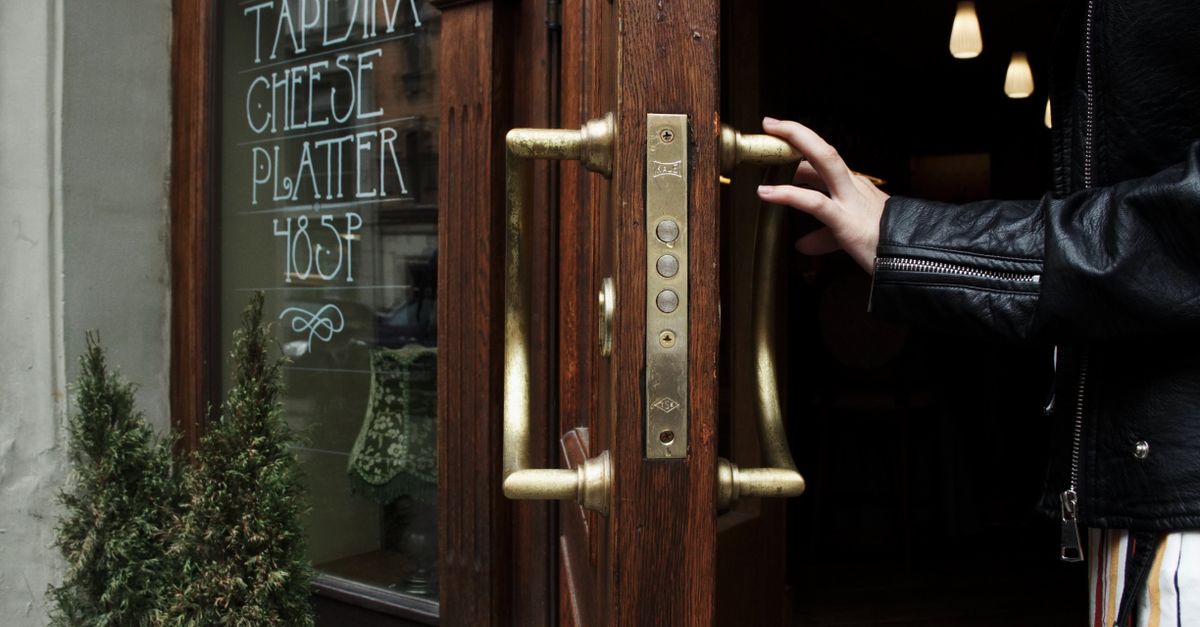
The mortise lock deserves special attention for any commercial setting. Unlike a standard cylindrical lock that fits into a simple bored hole, a mortise lock is recessed into a pocket cut into the door's edge — giving it far more structural integrity. You'll find them on most commercial-grade steel and solid-wood doors, and they're the preferred choice for storefronts that see heavy daily use. Servicing a mortise lock correctly requires specific training and the right tools, so when you're vetting candidates, ask directly whether they have hands-on experience with mortise lock hardware.
## Vetting a Local Commercial Locksmith: The Right Questions to Ask
Before anyone touches your doors, a brief conversation tells you a great deal. Start by asking how long they've worked specifically on commercial accounts — residential experience doesn't automatically translate to understanding panic bars, mortise lock bodies, or access control wiring. Ask whether they carry the parts most commonly needed for your door type (aluminum storefront frames, hollow-metal doors, and solid-core wood doors all require different hardware). Ask about their response window for an emergency locksmith call — if they can't give you a realistic after-hours commitment, that's a gap in your security plan. In Florida, it's reasonable to ask about their standing with state requirements; Florida does regulate locksmiths, and a professional operating in Indialantic should be able to speak to their compliance with state law without hesitation. You should also ask whether they carry insurance — our team is insured, which protects your property during any installation or repair.
One question that trips up many business owners: what exactly is a locksmith call-out fee, and how is the final price determined? A call-out fee covers the cost of dispatching a technician to your location — think of it as the base rate for getting someone on-site. From there, the total cost is shaped by factors like the type and brand of lock hardware involved (a Schlage commercial mortise lock body costs more than a basic knob set), the time of day (after-hours and weekend calls carry different rates), travel distance, and the specific labor involved. What you should always expect from a trustworthy commercial locksmith is a confirmed, up-front price before any work begins — no surprises on the invoice. That's exactly what we do: before a wrench turns, you know the number.
## Master Keys, Exit Hardware, and Mortise Lock Upgrades: Making the Right Choices
For most Indialantic storefronts, three hardware decisions matter most. First, the master key system. If you have a manager, a shift supervisor, and an owner, each tier should carry a key that opens only what they need — and your master should open everything. A well-designed system means you never have to hand out a single all-access key to a part-time employee. When a staff member leaves, learning how to rekey a lock (or having a professional do it) changes the cylinder's internal configuration so old keys no longer work — without replacing the entire lockset. Rekeying is one of the most cost-effective security resets available, and it's something every business should do after any employee departure that involved key access.
Second, exit hardware. Florida's building code requires that commercial occupancies have compliant egress hardware — typically a panic bar or push-pad exit device on doors that serve as emergency exits. These devices must allow exit with a single motion and no special knowledge. Installing or upgrading exit devices is not a DIY project; improper installation creates both a safety hazard and a code liability. Third, if your storefront still has basic cylindrical locks on the main entry, it's worth discussing a mortise lock upgrade with your locksmith. The deeper pocket, stronger bolt throw, and better anti-pick cylinder options make a genuine difference in forced-entry resistance — particularly relevant if your shop is on a commercial corridor with late-night foot traffic. Not sure how to change a door lock or whether your current hardware is adequate? That's exactly the kind of walk-through our team provides on-site, at no obligation during a scheduled assessment. Call (321) 730-2253 — we answer 24/7 and can schedule a commercial security review at your convenience.
## Keypad Locks and Changing Access Codes: What Business Owners Need to Know
Keypad door locks are increasingly common in Indialantic storefronts — they eliminate key duplication concerns and let you rotate access codes when staff turns over. But they also introduce a different kind of vulnerability: codes that never get changed. Knowing how to change the code on a keypad door lock is something every manager should understand for their specific hardware model, because default or stale codes are a real security gap. Most commercial-grade keypad locks (Schlage and similar brands) have a programming sequence accessed from the interior side of the door — typically involving a master programming code followed by the new user code. However, the process varies significantly by model, and an incorrect sequence on some units can lock out the programming mode entirely, requiring a professional reset.
A skilled commercial locksmith can handle the full setup: programming new codes, deleting old ones, setting auto-lock timers, and integrating keypad locks with a broader access control system if you're managing multiple entry points. If your current keypad lock is malfunctioning, the lens clouding from coastal humidity, or simply outdated, it may be time to evaluate whether a retrofit or a full replacement makes more sense. Our team works with the storefront hardware already installed in the Indialantic area — including the mix of older cylindrical systems and newer electronic locks common along the beachside commercial corridor — so we know exactly what you're likely dealing with before we even arrive.
## Why Local Familiarity and 24/7 Availability Change Everything
There's a practical reason to choose a locksmith who genuinely knows the Indialantic area rather than a dispatch service routing calls to whoever is available. Storefronts near the Indialantic Boardwalk, the shops clustered around 5th Avenue and Highway A1A, and businesses serving the Melbourne Beach and South Brevard community all have slightly different security profiles — building ages, door hardware vintages, and foot traffic patterns vary block by block. A locally rooted team has seen the hardware combinations common to this stretch of the coast and won't be starting from scratch when they walk up to your door. That kind of familiarity shortens diagnosis time and reduces the chance of a return visit. The Melbourne and Indialantic area is a genuinely attractive place to do business — close to the beach, with a tight-knit commercial community — and the businesses here deserve security support that reflects that value, not a generic national-dispatch experience.
When something goes wrong outside business hours — a broken key in a mortise lock cylinder at 7 a.m. before opening, a door knob lock that won't disengage at closing time, or an after-hours lockout following a fire drill that locked everyone out — you need an emergency locksmith who picks up the phone and shows up. We are available 24 hours a day, 7 days a week, with no after-hours voicemail maze. Our mobile team serves Indialantic, Melbourne Beach, Melbourne, and the surrounding Brevard County coastline with the same response commitment regardless of the hour. If you're ready to upgrade your storefront's security, schedule a mortise lock assessment, set up a master key system, or simply want a professional second opinion on your current hardware — call (321) 730-2253 right now. We'll confirm an exact price before any work begins and get your business protected the right way.
Frequently asked questions
Do locksmiths need a license in Florida?+
Yes. Florida requires locksmiths to be licensed through the Department of Agriculture and Consumer Services under Chapter 489, Part II of Florida Statutes. Before hiring anyone for commercial locksmith services at your Indialantic storefront, you have every right to ask about their compliance with state licensing requirements. A trained, experienced professional working legally in Florida will be able to answer that question directly and confidently. Our team operates in full compliance with Florida's requirements, and we're happy to discuss that with any business owner before we begin work.
What does a locksmith do, exactly — and why does it matter for my business?+
A professional locksmith handles far more than lockouts. For commercial clients, that includes designing and installing master key systems, upgrading to high-security mortise lock hardware, rekeying locks after staff changes, programming and resetting keypad door lock codes, installing panic bars and exit devices, repairing broken door knob lock sets, extracting broken keys, and responding to emergency locksmith calls around the clock. For business owners, it's worth choosing someone who understands commercial-grade hardware specifically — a locksmith experienced primarily in residential work may not have the depth of knowledge needed for mortise lock bodies, access control panels, or multi-point locking systems common in retail storefronts.
What is a locksmith call-out fee, and how do I know the total cost upfront?+
A call-out fee is the base charge for dispatching a technician to your location — it covers travel and the initial assessment. The total cost of the job then depends on several factors: the type of lock hardware involved (a commercial mortise lock installation involves more labor and more expensive components than a simple rekey), the time of day (after-hours and weekend emergency calls are priced differently than standard daytime appointments), the distance traveled, and the specific parts or replacement hardware required. At Indialantic Locksmith, we confirm an exact price with you before any work begins — so there are no invoice surprises. Call (321) 730-2253 to get a straight answer on what your specific job will cost.
What does 'pop a lock' mean, and is it safe to try on my own storefront?+
'Pop a lock' is a colloquial phrase that refers to opening a locked door without the original key — typically through a bypass or manipulation technique. While the phrase is common, attempting to open a commercial door knob lock or mortise lock on your own without the proper tools and training risks damaging the lock body, the door frame, or the strike plate. More importantly, any manipulation of a commercial entry point should be done by a verified professional who can confirm ownership or authorization — both for legal reasons and to avoid unintentional damage that turns a simple lockout into a costly hardware replacement. The right move is always to call an experienced emergency locksmith who can open the door safely and document the service properly.